How an obscure type of cake from Europe made it big in Japan
February 26, 2021
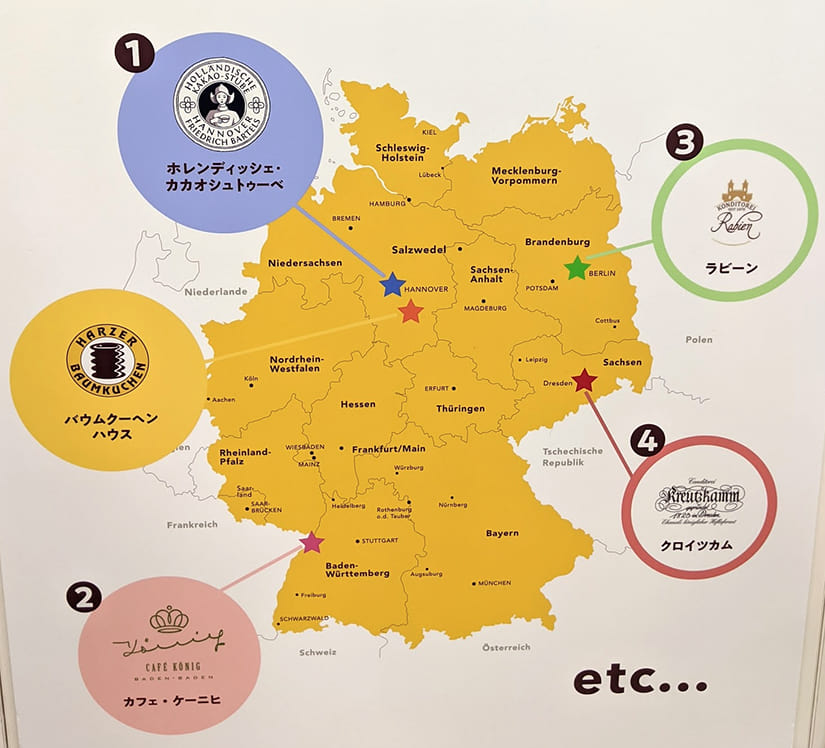
A century ago, Karl Juchheim introduced a fussy, labor-intensive type of cake to Japan. Today, baumkuchen can be found all over Japan while remaining a specialized confection in small pockets of Germany. This is the story of Juchheim’s journey from a small town along the Rhine to founding one of Japan’s most iconic bakeries.
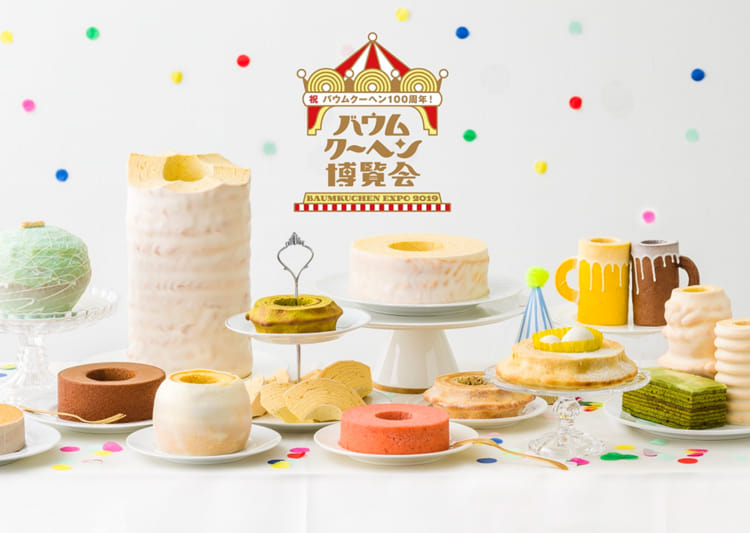
Baumkuchen Expo 2019. Celebrating 100 years of baumkuchen in Japan
Qingdao and its German influence
Between 1819 and 1914, Qingdao was a German territory. Despite their short occupation, the Germans left a sizable footprint - building streets, a railroad, made improvements to the harbor and even opened a shipyard. The brewery Tsingdao was established during this period. Moral implications of colonization aside, it was during this period, in 1908, our boy moved from his hometown of of Kaub, Germany to Jiaozhou Bay — the main town of Qingdao at the time. He went to work at a café and a year later, in 1909, opened his own pastry shop selling cakes.
World War I, the Siege of Tsingtao and internment
By the time WWI broke out, Karl Juchheim had married his wife, Elise, and opened another pastry shop. After the Seige of Tsingtao in October of 1914, the city was surrendered to the Japanese. Both Karl and Elise were sent to Japan - first in Osaka, and then in Hiroshima - as prisoners of war.
Ninoshima Prisoner of War Product Exhibition
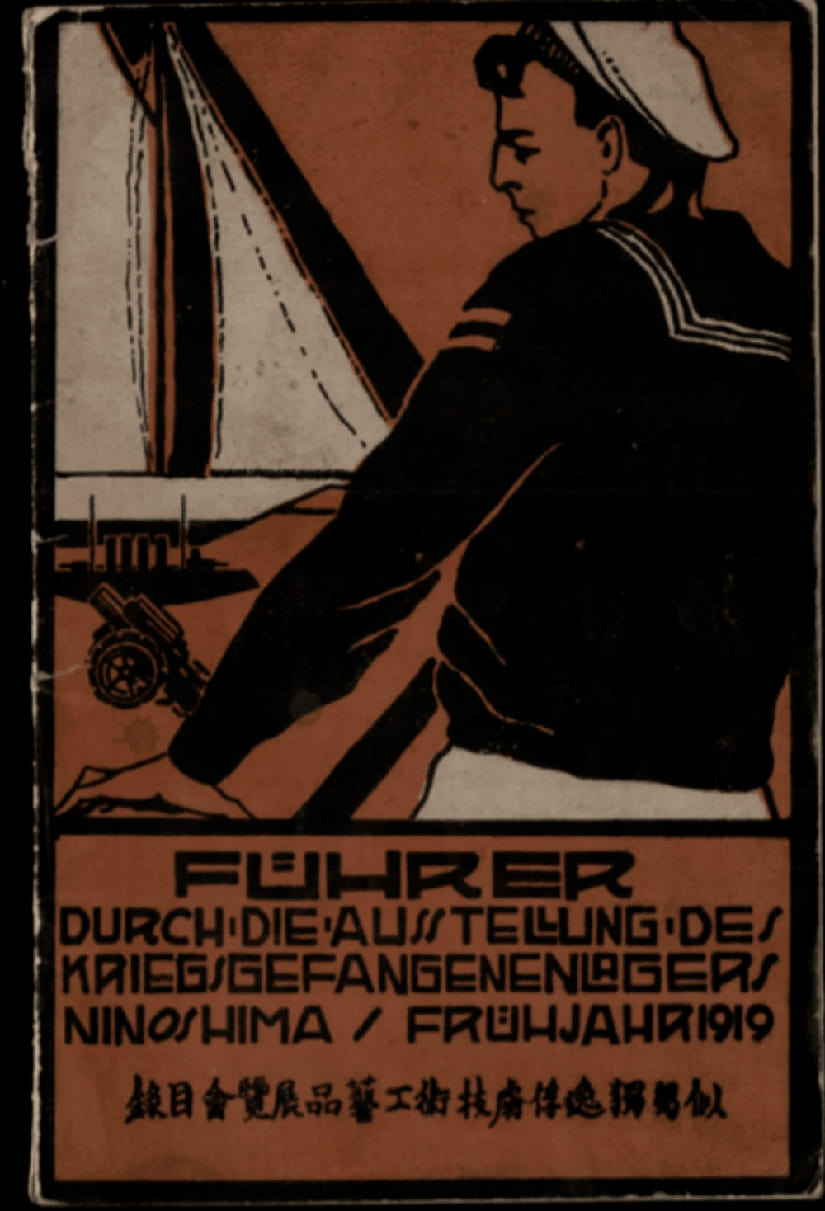
Front cover of the exhibition program
In the early spring of 1919, the Ninoshima Prisoner of War Product Exhibition was hosted at what was then known as Hiroshima Prefectural Industrial Promotion Hall ( later known as the Atomic Bomb Dome). German captives were given the opportunity to exhibit and sell their cultural products. At the behest of a friend, Karl made baumkuchen. It was a laborious and time-consuming process. He had trouble sourcing the oak wood for the oven and butter for the batter. He made a wicker pole from an oak branch and spun it by hand while applying the batter.
Around 16,000 Japanese citizens attended the event and the Karl’s cake was surprisingly well received.
This was Japan’s very first baumkuchen.
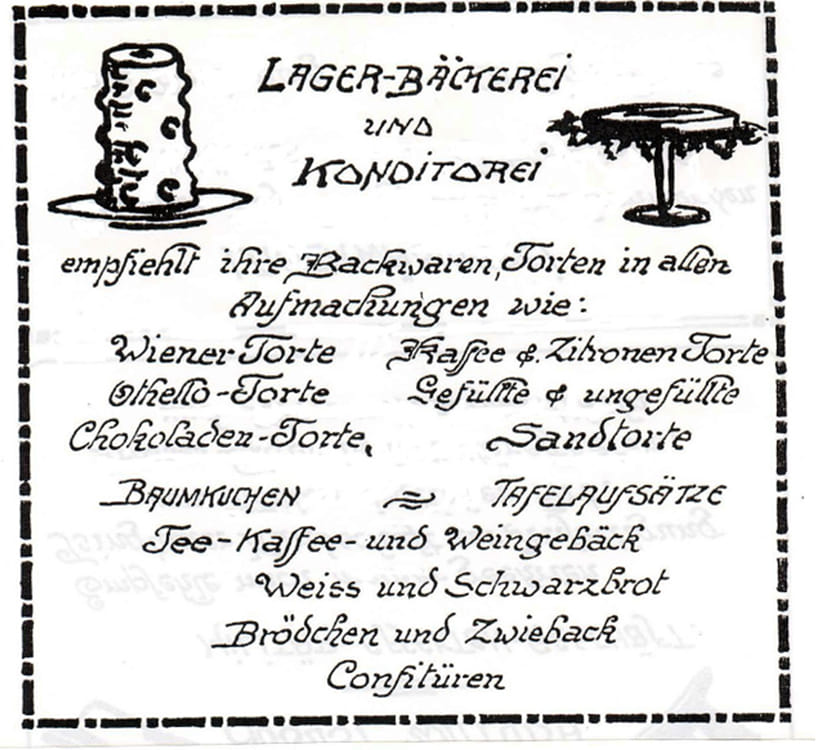
Page 30 of the program featuring Karl Juchheim’s baumkuchen
After the war
Karl made the decision to continue living in Japan after the war. Reunited with his wife, Elise, and his son, he was hired to run the bakery in a cafe in Ginza. Three years later, he set out on his own, and set up a store in Yokohama. However soon after setting up shop, Yokohama was hit by the Great Kanto Earthquake on September 1st, 1923. Karl barely escaped to Kobe. All he had to his name was a single 5-yen note in his pocket. Karl and Elise had lost everything. But with the encouragement of Karl’s Japanese pupils from his time in Yokohama, Karl started again with a new shop in Kobe. Immersed in debt, Karl slept on a burlap sack spread out on the floor. However, having lived through the First World War and the Great Kanto Earthquake, he was full of resolve. Propelled by the trend of Westernization in Japan, his shop reached a newfound prosperity. But then the Second World War broke out. Karl’s shop was burned to the ground during the Great Kobe Air Raid. Karl passed away on August 14th, just before the end of the war.
Postwar popularity and Juchheim Group
Juchheim Group’s graphic for baumkuchen’s 100th anniversary
The many layers of the cake had come to represent happiness and luck and are popular gifts for weddings and celebration. In 1948, Juchheim’s former employees rebuilt the shop in his honor and has continued to flourish as Juchheim Group today. 1953, Elise returned to serve as chairman and president until her death in 1971. Business grew rapidly due to the postwar westernization boom, and baumkuchen bakeries proliferated all throughout Japan. Nowadays, you can find baumkuchen everywhere in Japan — from train stations and 7–11’s, to more upscale boutique bakeries. Even Muji, the Japanese purveyor to minimalist design, stocks the cake.
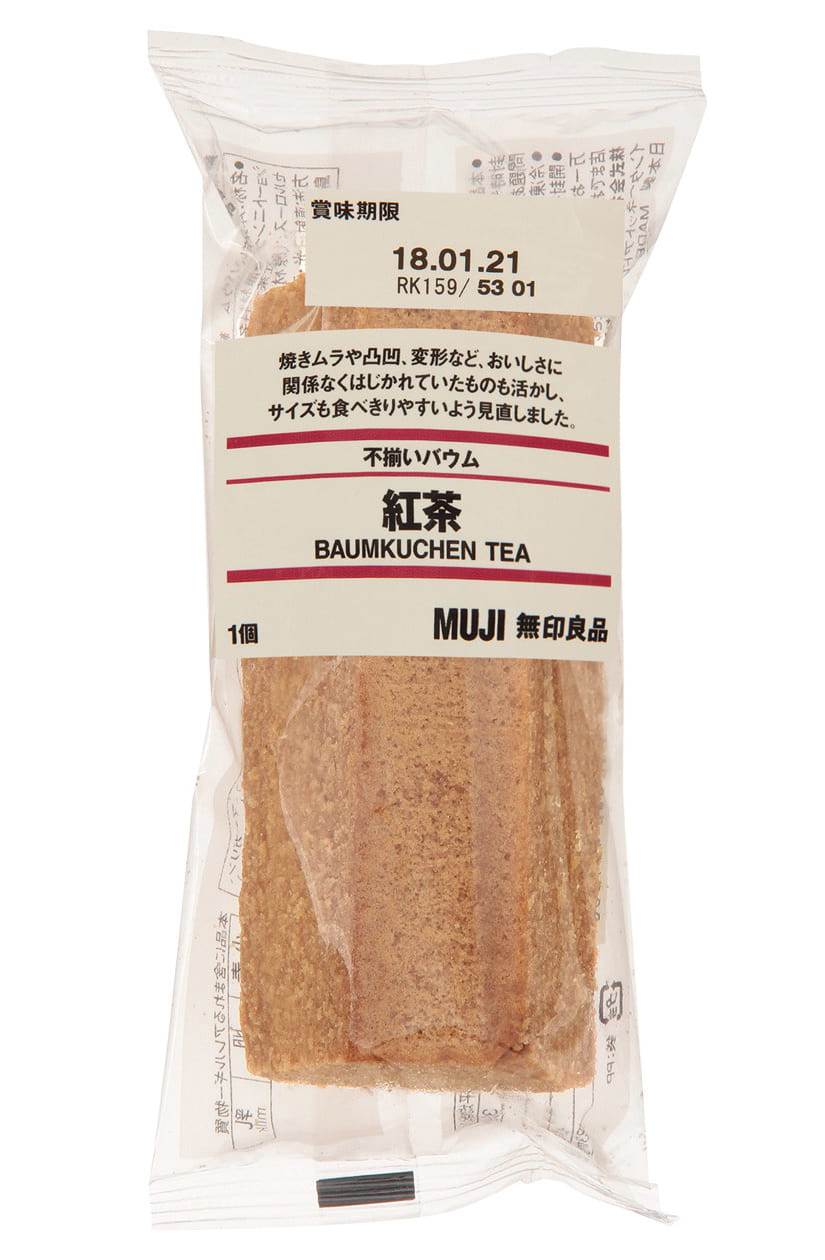
The Muji baumkuchen
Ironically, in Germany, the cakes remain the specialty of a few specific regions and are difficult to find.